
Top Toronto Home Renovation Trends for 2025: Designs, Materials, and Smart Upgrades Homeowners Want
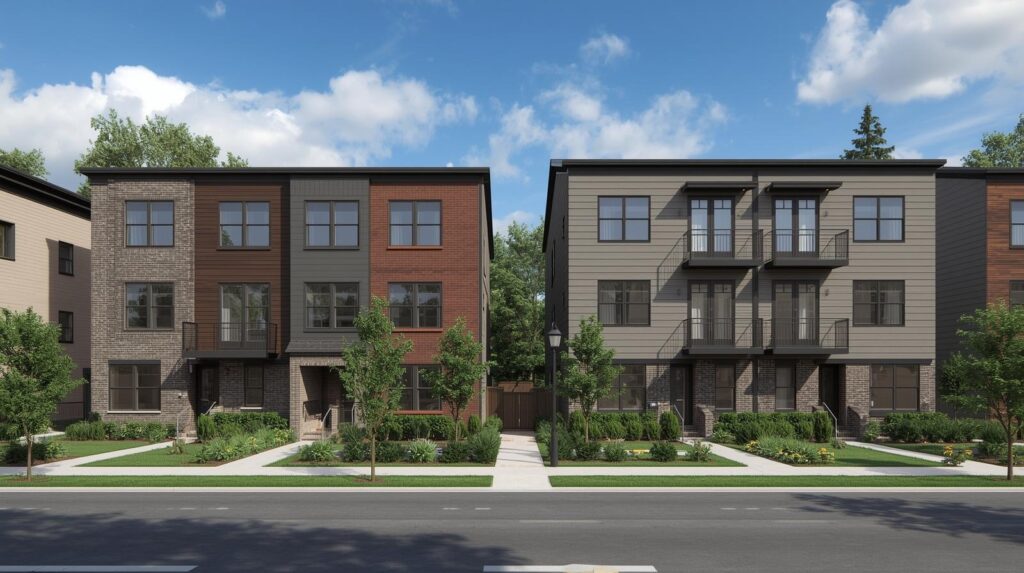
The landscape of Toronto real estate is rapidly evolving, driven by a crucial need for diverse housing options. Converting a single-family home into a fourplex or multiplex is an increasingly popular and financially rewarding strategy. This practice, now significantly streamlined by recent City of Toronto zoning changes, allows property owners to unlock significant value, increase rental income, and contribute to the city’s housing supply.
At Awash Construction, we specialize in transforming your property into a high-quality, legally compliant multi-unit dwelling. Our expertise ensures a seamless process from feasibility assessment and design to final construction, delivering an investment that is both robust and profitable.
Recent changes to the City of Toronto’s zoning by-laws have made fourplex conversions an “as-of-right” allowance in most residential zones (R, RD, RS, RT, RM). This means you no longer require a lengthy, complex rezoning application process for up to four units in a house-form building, provided you adhere to specific performance standards like height and setbacks.
A successful multiplex conversion requires meticulous planning and execution, marrying regulatory compliance with superior design. Our comprehensive approach covers every critical step:
Before design begins, our team conducts a thorough review of your property’s potential. We check the current zoning against the new multiplex by-laws to confirm the maximum number of units permissible (typically up to four, with the possibility of a fifth with an Accessory Dwelling Unit). We assess the existing structure, utility services (electrical, plumbing, HVAC), and site constraints like lot coverage, setbacks, and protected trees to establish a clear project scope.
This stage focuses on creating functional, safe, and marketable units. A good design maximizes livable space while ensuring compliance with the Ontario Building Code for factors like fire separation, soundproofing, and egress (exit) requirements. We focus on layouts that are cost-effective to construct and attractive to tenants, often aiming for one unit per floor for optimal flow and privacy.
Once the design is finalized, securing a Building Permit from the City of Toronto is the next critical step. This package includes detailed architectural, structural, and mechanical drawings demonstrating compliance with all municipal and provincial codes. While multiplex conversions are now simplified, a comprehensive and accurate submission is essential for a timely approval.
As experts in Home Renovations and Additions & Extensions, Awash Construction manages the entire build process. We ensure that all work, from Basement Finishing to structural changes, adheres strictly to the approved plans and the rigorous safety standards of the Ontario Building Code. Regular inspections by City officials are coordinated to verify compliance at key milestones, leading to final occupancy approval.
Beyond the main house conversion, Toronto allows for the addition of Accessory Dwelling Units (ADUs)—specifically Laneway Houses and Garden Suites. When combined with a fourplex, this can create up to five (or more, depending on zoning updates) dwelling units on one lot, significantly boosting your investment’s value and income potential.
We are specialists in both Laneway Houses & Garden Suites, ensuring these projects meet all specific by-law requirements for size, height, setbacks, and emergency access.
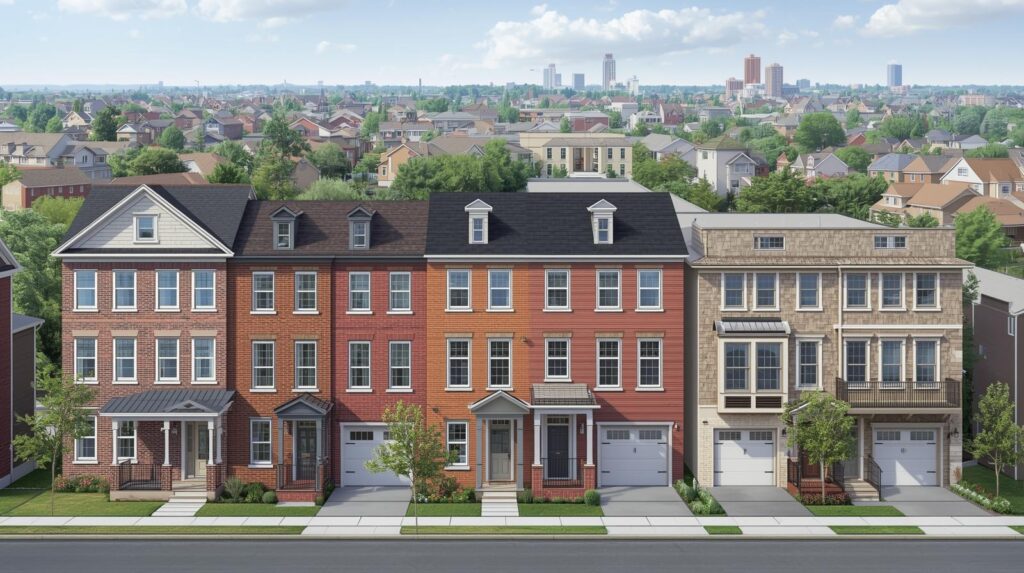
To assist in your due diligence, we recommend reviewing these official City of Toronto resources:
At Awash Construction, we turn your ideas into beautifully built spaces. From kitchen makeovers and basement finishing to full home renovations and laneway houses, our expert team delivers quality, style, and value — on time and on budget.